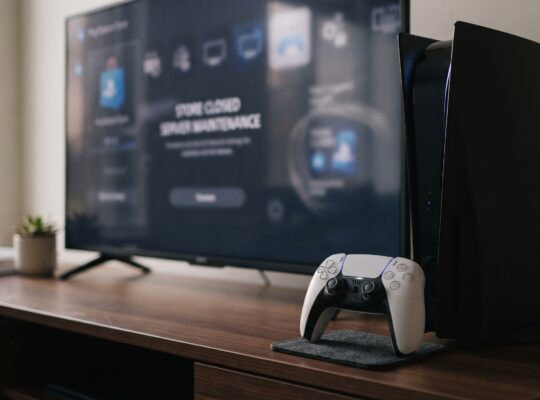


Sony Announces End to Physical PlayStation Game Discs in 2028
Sony Interactive Entertainment has announced it will discontinue production of physical discs for all new PlayStation games starting January 2028. This shift will affect both first-party and third-party titles, with all games released after that date available digitally only. Games published before 2028 will still have physical editions available, according to official company statements.
Reasoning Behind the Shift
The company explained this decision as a response to changing consumer preferences, noting that digital game sales have significantly outpaced physical disc purchases in recent years. Sony stated that moving to an all-digital model aligns with how the majority of the PlayStation community currently accesses and plays games.
While most new releases are already predominantly sold through digital storefronts, many players still prefer owning physical game copies. Sony’s transition essentially marks the end of traditional game discs and the second-hand market that physical copies support.
Implications for the PlayStation 6 and Game Distribution
Details about the upcoming PlayStation 6 console remain limited, but industry speculation suggests it may not include a built-in disc drive. Sony has yet to confirm whether the new console will feature an optional external disc reader. Backward compatibility with previous generation games—including physical discs—has been anticipated, but the confirmed discontinuation of discs by 2028 casts uncertainty on long-term support for physical formats.
Despite the end of physical discs, Sony may continue selling boxed games containing download codes, similar to the approach taken with recent releases such as Grand Theft Auto 6. These boxes contain only a code for downloading the game digitally and do not include a physical disc.
Concerns Over Digital Game Ownership and Preservation
The decision concerns collectors and game preservation advocates who highlight the limitations of digital-only purchases. Digital licenses generally grant non-commercial, personal use without permanent ownership rights. Store closures or publisher actions can restrict access or result in removal of purchased content, as occurred with certain games and movies recently withdrawn from digital libraries.
Sony representatives have acknowledged that players do not acquire the same rights over digital purchases as they do physical media. This raises questions about the long-term accessibility and preservation of digital games in the evolving market.
Industry Trends Toward Digital Distribution
Sony’s move reflects a broader industry trend, with other major companies exploring or implementing digital-first publication strategies. For instance, Microsoft has distributed physical game packages that require extensive digital downloads, and Nintendo’s latest consoles use game cards similar to download codes.
The elimination of physical discs has economic benefits for game publishers by reducing production costs and limiting resale opportunities. By encouraging digital sales, companies maintain greater control over distribution and revenue.
This transition marks a significant milestone in the video game industry’s shift from physical media to digital platforms, affecting consumer habits, game retail landscapes, and digital rights management practices.