

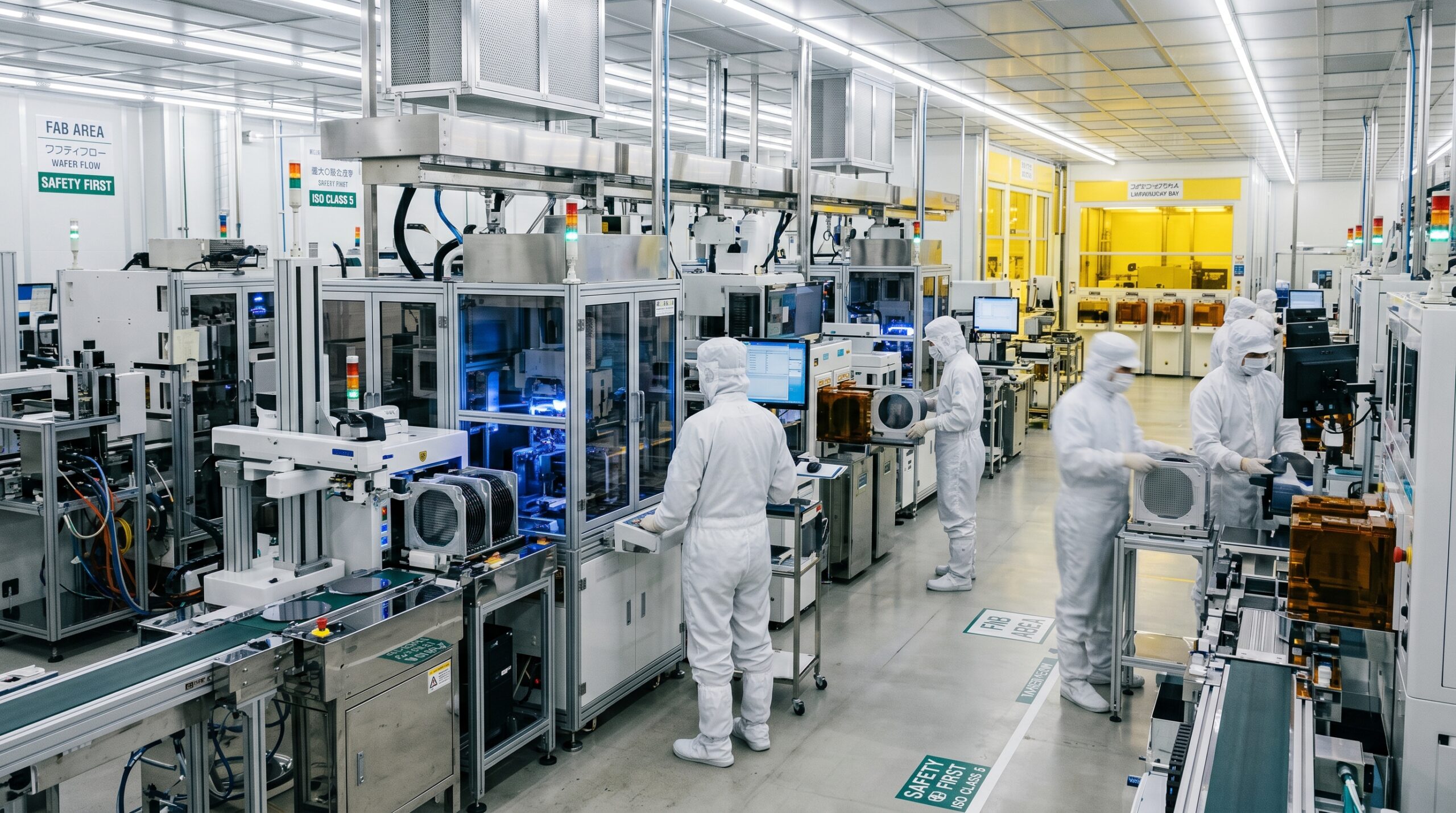
Apple CEO Addresses Imminent Price Increases
Apple CEO Tim Cook recently acknowledged that increased prices for some Apple products are inevitable due to rising costs of memory and storage chips. In an interview with a leading financial publication, Cook emphasized the significant impact that the booming artificial intelligence (AI) sector’s demand is having on the supply chain.
Chip Cost Pressures and Consumer Impact
Cook explained that the accelerated growth of AI technology has caused a sharp increase in demand for memory components, essential for consumer electronics like smartphones and gaming consoles. This surge has tightened supply and driven up prices that chip manufacturers are passing on to companies such as Apple.
“We’re doing our best to mitigate the huge increases that are being passed to us, and we’ve been trying to shield our customers from the increases, but the situation has become unsustainable,” Cook said. The escalation in component prices means that Apple is facing much higher production costs, which will likely translate into higher retail prices for consumers.
Details on Component Price Changes
Industry research indicates a significant rise in the cost of memory components in Apple devices. Estimates suggest that while memory parts in the iPhone 17 Pro cost Apple around $50, comparable components for the upcoming iPhone 18 Pro may cost approximately $200. This fourfold increase underscores the severity of the supply cost challenge facing Apple.
Tim Cook pointed out the necessity for memory prices and availability to stabilize for consumer electronics to remain affordable. This situation is not unique to Apple; it affects the electronics industry broadly, including gaming consoles. Both Sony and Microsoft have cited difficulties in launching next-generation consoles amid chip shortages and price hikes.
Broader Industry Implications
The rising cost and scarcity of chips resulting from AI-related demand are reshaping pricing trends in the consumer electronics market. Historically, device prices have often decreased or stabilized over time, but the current environment has forced manufacturers to reconsider pricing strategies to accommodate higher input costs.
Consumers, especially gamers and tech enthusiasts, are familiar with the challenges posed by elevated component costs during this product cycle. The pressure on chip supplies may continue to affect product availability and pricing in the near term until supply chain conditions improve.
Looking Ahead
Apple and other technology companies remain dependent on semiconductor suppliers to manage costs and distribution more effectively. Industry observers advise that improvements in memory chip production and inventory will be essential to reversing the upward price trend.
For now, Tim Cook’s comments provide early insight into why Apple products could face price increases and highlight the ongoing impact of AI-driven demand on the global technology supply chain.