Overview of New Rollback Netcode in Nintendo 64 Emulator
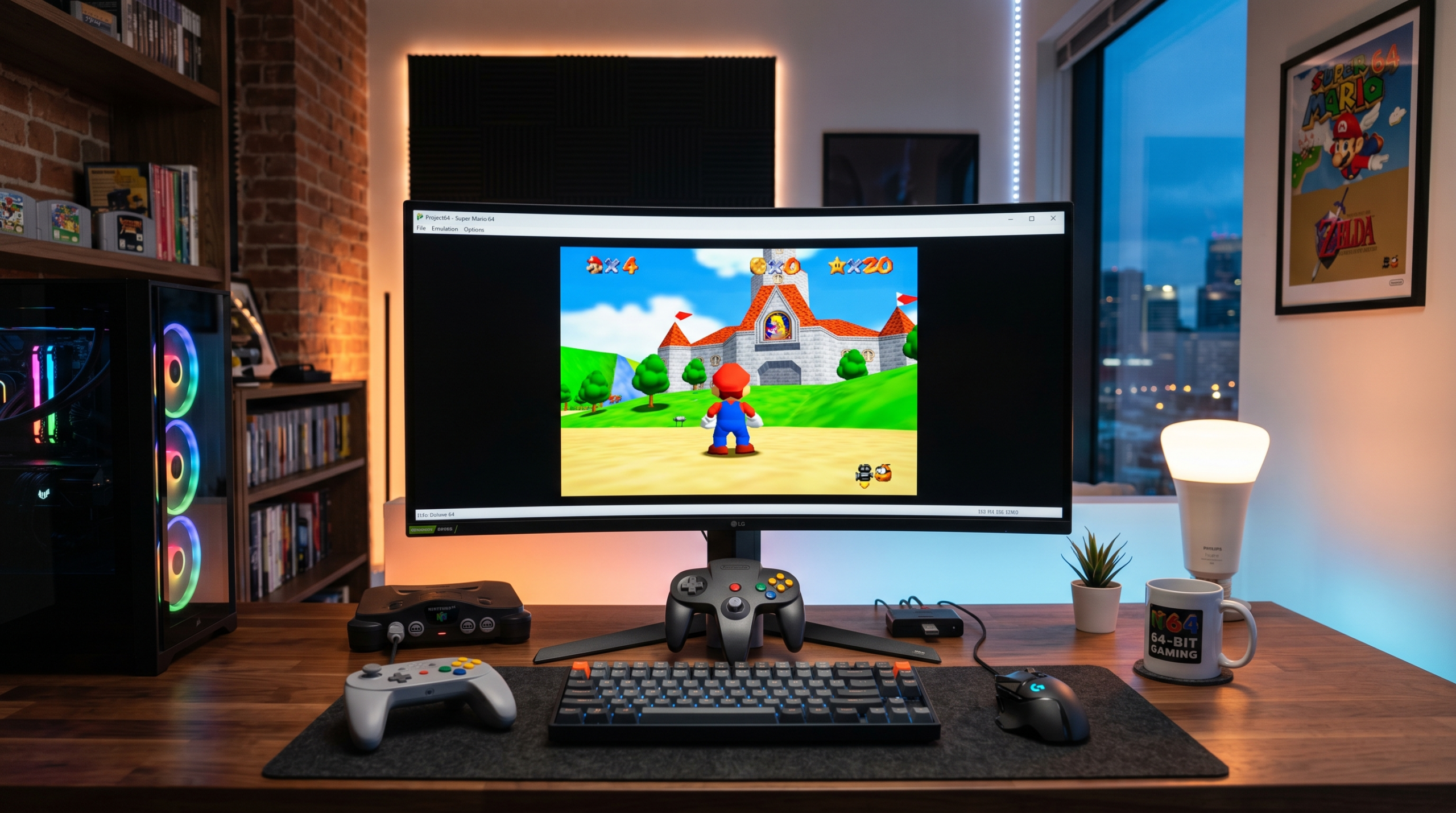
The RMG-K fork of the Nintendo 64 emulator recently introduced rollback netcode across its entire game library. This technical improvement aims to enhance responsiveness and reduce input delay in online multiplayer sessions, which has been a longstanding challenge for emulation of fast-paced games originally designed for local play.
Technical Background on Rollback Netcode
Rollback netcode is an advanced networking technology applied to online gaming that predicts player inputs and allows for quick corrections if predictions prove incorrect. Unlike traditional delay-based netcode, which requires waiting periods for each player’s inputs to synchronize before rendering game frames, rollback netcode enables a more fluid experience by minimizing noticeable input lag. This results in smoother and more competitive gameplay, especially important in games requiring precision and swift reactions.
Implementation Specifics and User Feedback
The new rollback netcode feature was rolled out through an update on May 14, 2026. Currently, it supports two-player online matches only. Developer contributions, notably from CigNus and programmer NyxTheShield, leveraged the GekkoNet framework to facilitate this integration. According to reports from online users, such as a demonstration video by Bluesky user Grasluu00, the update significantly decreased input delay — from 9 frames down to as low as 4 frames — even across large geographic distances like between Spain and Australia.
Significance for Nintendo 64 Emulation and Multiplayer Gaming
This enhancement marks a notable step forward for Nintendo 64 emulation, which historically relied on local multiplayer setups or less responsive network emulation methods. Rollback netcode’s implementation could reinvigorate interest in playing classic Nintendo 64 titles online, potentially making competitive and cooperative gaming more viable over internet connections. Emulators like RMG-K are bridging the gap between nostalgic gaming experiences and modern online play standards.
Future Prospects and Industry Impact
The success of this rollback netcode implementation on RMG-K could inspire further adoption of similar technologies across other emulator projects and classic game remasters. Additionally, fan projects using the GekkoNet framework, such as attempts to port classic fighting games to PC, highlight a growing demand for improved netcode solutions in retro gaming communities. Continued development in this space may also encourage publishers and developers to revisit classic game titles with enhanced online functionality.